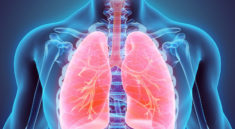

Diagnostic imaging has transformed healthcare by enabling physicians to detect, evaluate, and monitor conditions with unprecedented accuracy. Dr. Andrew Gomes emphasizes that imaging is not just a tool for observation—it is a cornerstone of precision medicine. Studies show that the use of advanced imaging technologies, such as MRI, CT scans, and PET scans, significantly improves diagnostic accuracy and treatment outcomes. By providing detailed insights into a patient’s condition, imaging allows for interventions that are timely, targeted, and more effective.
How Does Dr. Gomes Leverage Imaging for Personalized Care?
Personalized medicine relies on understanding the unique characteristics of each patient and their disease. Dr. Gomes integrates diagnostic imaging into individualized treatment plans, enabling physicians to tailor therapies with greater precision. Research indicates that patients receiving imaging-guided interventions experience higher rates of treatment success and fewer complications. By combining clinical expertise with cutting-edge technology, Gomes ensures that every patient benefits from care designed specifically for their medical needs.
Can Imaging Improve Early Detection and Prognosis?
Early detection is critical for managing complex and life-threatening conditions such as cancer, cardiovascular disease, and neurological disorders. Diagnostic imaging plays a pivotal role in identifying diseases at an early stage, often before symptoms appear. Data demonstrates that early diagnosis through imaging improves prognosis, reduces treatment intensity, and enhances long-term survival rates. Dr. Gomes’s work focuses on utilizing advanced imaging modalities to catch health issues sooner, providing patients with the best possible outcomes.
What Role Does Technology Play in Enhancing Accuracy?
Innovations in imaging technology have dramatically improved diagnostic capabilities. Techniques such as 3D imaging, functional MRI, and AI-assisted analysis allow for more precise visualization of anatomy and pathology. Studies indicate that these technologies increase diagnostic confidence and reduce errors in clinical decision-making. Dr. Andrew Gomesintegrates these advancements into practice, ensuring that imaging is not only detailed but also actionable, guiding physicians toward the most effective treatment strategies.
How Does Data Integration Support Precision Medicine?
Dr. Gomes emphasizes the importance of combining imaging results with other patient data to inform clinical decisions. Integrating electronic health records, lab results, and imaging findings allows for a comprehensive view of patient health. Research highlights that data-driven approaches enhance treatment planning, minimize unnecessary procedures, and improve patient satisfaction. Gomes’s approach exemplifies how diagnostic imaging, when coupled with robust data analytics, can drive precision medicine to new levels of effectiveness.
Can Imaging Enhance Minimally Invasive Procedures?
Minimally invasive procedures have become increasingly common due to their reduced risk and faster recovery times. Imaging is essential for guiding these procedures, enabling surgeons to navigate with precision. Studies show that imaging-guided interventions improve procedural accuracy and reduce complications. Dr. Gomes’s expertise ensures that imaging is seamlessly integrated into these procedures, providing real-time insights that enhance both safety and effectiveness.
Why Is Continuous Innovation Important in Diagnostic Imaging?
The field of diagnostic imaging evolves rapidly, with new modalities and analytical techniques emerging regularly. Continuous innovation is essential to maintain high standards of care and expand the possibilities of precision medicine. Dr. Gomes stays at the forefront of research and technology adoption, ensuring that patients benefit from the latest advancements. Evidence suggests that healthcare facilities that invest in innovative imaging practices achieve better diagnostic outcomes and higher patient satisfaction.
Final Thoughts: How Does Imaging Drive the Future of Precision Medicine?
Dr. Andrew Gomesdemonstrates that diagnostic imaging is more than a support tool—it is a driving force in modern medicine. By combining advanced technology, personalized analysis, and data integration, Gomes enhances diagnostic accuracy, informs targeted treatments, and improves patient outcomes. His work highlights the transformative potential of imaging in delivering precision medicine, offering patients care that is timely, tailored, and evidence-based, ultimately shaping the future of healthcare.