

Introduction
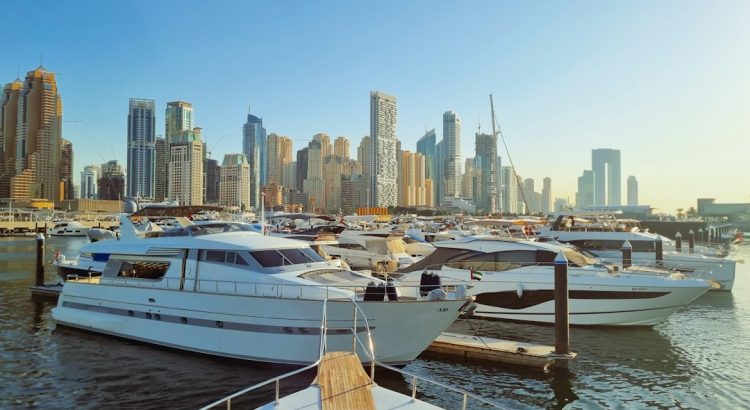
Dubai has established itself as a prominent destination for luxury boating, supported by its coastal lifestyle, modern marinas, and strong interest in premium leisure experiences. Buyers exploring a Yacht for sale dubai opportunity often consider more than the purchase price. Vessel condition, maintenance requirements, onboard amenities, operating expenses, and resale potential can all influence the final decision.
Understanding market trends and measurable ownership costs helps buyers make informed choices. A statistics-focused approach also provides a useful framework for comparing yacht categories, evaluating long-term expenses, and identifying the features that matter most in Dubai’s luxury marine market.
1. Dubai’s Marine Lifestyle Supports Yacht Demand
Dubai’s coastline, waterfront developments, and marina facilities create an appealing environment for recreational boating. Yachts serve different purposes, including private leisure trips, family gatherings, entertaining guests, and extended coastal cruising.
Market activity can be evaluated through indicators such as yacht transaction volumes, marina occupancy, vessel registrations, average selling prices, and buyer inquiries. Reviewing these measures over several reporting periods can help identify whether demand is increasing, stabilizing, or shifting toward particular vessel categories.
However, market performance varies by yacht size, age, manufacturer specifications, and condition. Buyers should therefore examine comparable vessels rather than relying on broad market assumptions.
2. Yacht Size and Design Influence Purchasing Decisions
One of the first considerations for prospective buyers is choosing a yacht that matches their intended use. Compact motor yachts may suit shorter recreational outings, while larger vessels can offer additional cabins, entertainment areas, and facilities for longer journeys.
Several measurable specifications help buyers compare available options:
- Length overall: Indicates the vessel’s general size and space requirements.
- Cabin capacity: Helps determine suitability for family trips and overnight stays.
- Engine specifications: Provide information about propulsion, performance, and maintenance considerations.
- Fuel capacity: Influences cruising range alongside fuel consumption and operating conditions.
- Passenger capacity: Establishes the permitted number of people onboard under applicable requirements.
Comparing these specifications creates a clearer picture of a yacht’s practical value and suitability.
3. Purchase Price Is Only One Part of Ownership Costs
The initial purchase price represents only one component of yacht ownership. Buyers should also prepare for recurring expenses associated with marina berthing, fuel, insurance, routine servicing, cleaning, and equipment maintenance.
For example, a buyer can estimate annual ownership costs by adding expected berthing fees, fuel expenditure, insurance premiums, scheduled maintenance, and other operating expenses. Dividing that total by 12 provides an approximate monthly budget.
Actual costs depend on vessel size, engine type, usage frequency, insurance conditions, and marina arrangements. A larger yacht generally requires more resources, although individual vessels can differ considerably.
A realistic financial assessment should also include a contingency allowance for unexpected repairs and replacement parts.
4. Condition and Maintenance Records Affect Yacht Value
A yacht’s appearance alone cannot establish its mechanical condition or long-term reliability. Buyers should review maintenance records, engine service history, ownership documentation, equipment condition, and any available survey reports.
A professional marine survey can help identify structural concerns, signs of water intrusion, corrosion, and other issues that may not be immediately visible. Engine inspections and sea trials, where appropriate, can provide additional information about operational performance.
Useful evaluation indicators include documented service intervals, outstanding repairs, engine hours, equipment age, and the estimated cost of correcting identified defects.
These details can support negotiations and help buyers understand the potential financial commitments associated with a particular vessel.
5. Technology and Onboard Comfort Shape Buyer Preferences
Modern yacht buyers may prioritize navigation technology, climate control, entertainment systems, comfortable cabins, and efficient use of onboard space. Some also consider connectivity, energy management, and equipment designed to improve convenience during extended trips.
The importance of these features varies according to personal preferences and intended use. A yacht purchased for short recreational outings may require a different configuration from one intended for longer coastal journeys.
Buyers should evaluate whether installed equipment meets their needs, whether it is functioning correctly, and whether future upgrades would create additional expenses.
6. Documentation and Regulatory Compliance Matter
Before completing a yacht purchase in Dubai, buyers should verify ownership documents, registration status, applicable marine requirements, and any outstanding financial or legal obligations associated with the vessel.
Registration, insurance, licensing, and operational requirements can depend on the vessel’s classification, intended use, and relevant jurisdiction. Confirming these details before finalizing a transaction helps reduce avoidable complications.
A clear transaction process should also document the agreed purchase price, included equipment, payment terms, and transfer responsibilities.
Conclusion
Dubai offers a distinctive setting for luxury yacht ownership, but choosing the right vessel requires careful research and financial planning. Buyers can make better decisions by comparing specifications, assessing maintenance history, calculating operating expenses, and verifying documentation before committing to a purchase.
A statistics-driven evaluation turns a luxury purchase into a more structured decision. By focusing on measurable costs, vessel condition, practical requirements, and long-term value, prospective owners can identify a yacht that aligns with their lifestyle and financial expectations.
What You Need to Know
- Dubai’s luxury boating market is supported by its coastal lifestyle, modern marinas, and strong demand for premium leisure experiences.
- Prospective yacht buyers in Dubai should consider vessel condition, maintenance requirements, onboard amenities, and operating expenses beyond just the purchase price.
- Yacht size and design are crucial factors that influence purchasing decisions, with specific specifications such as length, cabin capacity, and fuel capacity guiding buyers.
- Ownership costs extend beyond the purchase price and include recurring expenses such as marina berthing, fuel, insurance, and maintenance.
- Maintenance records and the yacht’s mechanical condition are important for assessing long-term value and reliability, necessitating professional evaluations.
- Before purchasing a yacht in Dubai, buyers should verify ownership documents, registration status, and compliance with marine regulations to avoid complications.
